Clean, Renewable Energy
Kitty Hawk Wind will directly advance the clean energy transition by utilizing the abundant, reliable, low-carbon wind resource off the shores of Virginia and North Carolina to power homes and businesses with clean energy.
Emissions Reduction
The renewable energy produced by Kitty Hawk Wind will reduce greenhouse gas emissions by 1.5 million tons, which is comparable to removing approximately 500,000 cars from the road every year.
New Industry
Kitty Hawk Wind is a once-in-a-generation opportunity to jump-start a new U.S. industry in the region.
The project will leverage the region’s robust maritime infrastructure, driving transformational investment and supply chain opportunities to build a hub for offshore wind in the mid-Atlantic.
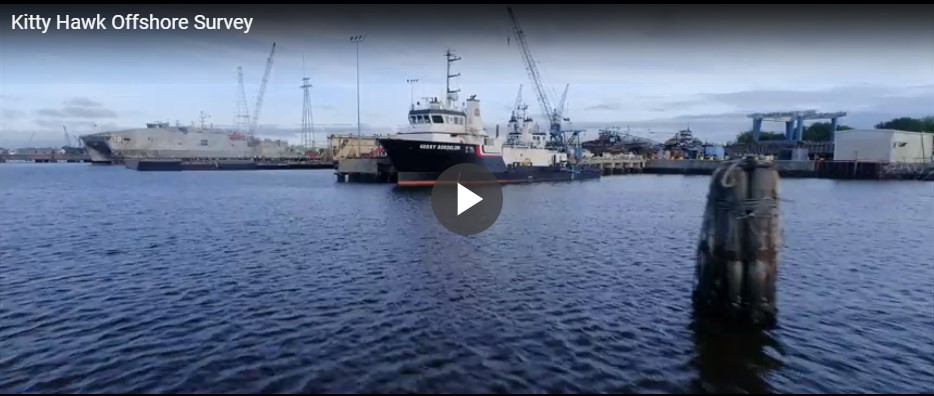
Note to IT: please replace video thumbnail with actual video from Avangrid
Economic Development
Kitty Hawk Wind will create transformational economic benefits by generating $2 billion in economic activity in the next decade. 1
Revenue
Over ten years, Kitty Hawk Wind will generate an additional $100 million in sales, property and income tax revenues.
This includes an anticipated $58 million in property tax revenues paid directly to the City of Virginia Beach.
Jobs
During construction, Kitty Hawk Wind will create an average of 800 jobs annually in the Hampton Roads region.
Once operation of the entire lease area commences, the project will support an annual average of 900 jobs throughout the operational phase.
Economic impact figures come from a conservative economic analysis conducted in 2019 by an industry leading organization for the development, construction, and maintenance of the entire Kitty Hawk Wind project.
Read the full Economic Impact Study
Workforce Development
Kitty Hawk Wind will drive transformational investment and domestic supply chain opportunity, increasing demand for a highly skilled workforce to support the burgeoning industry.
Avangrid is active in workforce development initiatives in the region that work to establish pathways for companies seeking to enter the offshore wind supply chain or offer training to individuals wanting to expand their careers in this high potential field.
Learn More
Climate Solution
In the Mid- and South Atlantic, sea-level rise represents both a present-day and long-term challenge which, without action, will continue to inundate low-lying areas during storm surges and permanently alter critical coastal ecosystems.
Offshore Wind is one of the most important tools the U.S., North Carolina, and Virginia have in their toolboxes to combat the accelerating impacts of climate change.
Clean Energy Targets
This project will play an important role in meeting the ambitious state and federal clean energy targets requiring:
- VA: 5.2 GW of offshore wind by 2034; 100 percent carbon-free electricity supply in Virginia by 2050.
- NC: 2.8 GW of offshore wind energy deployed in North Carolina by 2030; 8 GW by 2040.
- US: 30 GW of offshore wind energy deployed in the U.S. by 2030.
Artificial Reef/Biodiversity
The physical infrastructure for Kitty Hawk Wind will provide valuable reef habitat, a benefit to marine species and ecosystems. 2 3


